Dimensions Twin Blanket: A Practical Size Guide for Beds
A practical guide to twin blanket dimensions, with standard size ranges and measurement tips to ensure a perfect fit on twin and twin XL beds today. 2026.


According to What Dimensions, the right twin blanket dimensions are essential for warmth, drape, and ease of use. This quick guide covers standard size ranges, practical measurement steps, and how fabric weight interacts with bed size. The What Dimensions team found that accurate sizing reduces shifting, gaps, and the need for constant tucking at night.
Why dimensions twin blanket matter
Understanding the dimensions twin blanket matters more than most shoppers expect. The blanket’s size directly affects warmth, drape, and the ease of use on your bed. A blanket that is too small leaves gaps and can expose the mattress edges, while a blanket that is too large may drape poorly and shift during sleep. According to What Dimensions, precise sizing helps avoid gaps and keeps blankets from shifting at night, which is especially important for households with pets or uneven spreads. When you start with the right dimensions twin blanket for your bed, you simplify laundry routines, since properly sized blankets fold and store neatly. The practical takeaway is simple: measure your bed, choose a blanket that offers several inches of overhang on each side, and balance weight with climate needs. This article translates that advice into clear size ranges, measurement steps, and real-world examples for twins and twin XL beds.
Typical dimensions you should expect
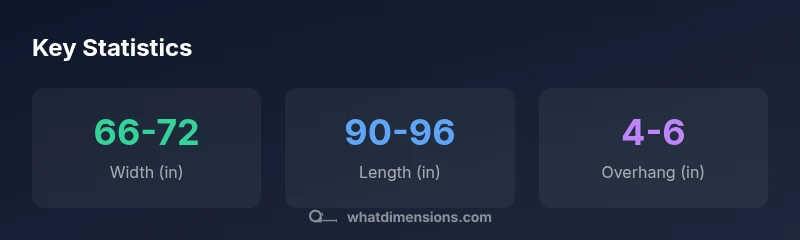
Blanket sizes vary by manufacturer, but certain ranges recur for twin beds. A typical blanket intended for a standard twin mattress measures about 66-72 inches wide and 90-96 inches long. If you’re using a twin XL bed, look for blankets that extend another 4-6 inches in length to cover the taller mattress. In metric terms, that corresponds to roughly 168-183 cm wide and 229-244 cm long for standard twins, with the XL variant reaching about 168-183 cm by 244 cm. These ranges reflect common industry practice as observed by What Dimensions Analysis, 2026. Always verify exact measurements on the product label, as decorative throws and specialty blankets may widen or shorten the standard footprint.
How to measure a blanket and choose the right size
Start by measuring the mattress: width and length, including any topper or pad. Then lay the blanket flat and measure its width and length, noting any hems or fringe. Compare your results to the blanket’s stated dimensions; aim for at least 4-6 inches of overhang per side for balanced drape and warmth. If you own a twin XL mattress, favor longer blankets that add extra length to prevent mid-bed exposure. For example, a 66-72 inch wide by 90-96 inch long blanket will typically drape evenly over a standard twin mattress, whereas an 80-84 inch length helps with a tall twin XL bed. Fabric weight matters: a heavier blanket may feel cozier with a wider overhang, while a lighter cover pairs better with layering.
Fabric weight, warmth, and fit: choosing the right blanket size
Drape and warmth are influenced not only by dimensions but also by fabric weight. A heavyweight blanket can feel bulky on a narrow bed and may require a slightly larger overhang to prevent creeping. Lighter fabrics drape more smoothly and can look neat with modest overhangs. When evaluating dimensions twin blanket, consider your climate and sleeping preferences. In cooler rooms you may prefer extra length to tuck around the mattress, while in warm climates a lighter throw with a modest overhang saves bulk and reduces overheating. If you plan to layer blankets, allow a bit more width and length for comfortable stacking without crowding the sheet set.
Layouts, duvet covers, and bedding coordination
The way you arrange blankets matters as much as the size. For a twin bed, pairing a standard twin blanket with a duvet cover creates a clean look and ensures consistent coverage. If your bed features a memory foam topper or a thick mattress pad, choose blankets with generous overhang to accommodate extra height. For twin XL setups, you may want a blanket that intentionally covers the footboard and still drapes well over the sides. Decorative throws can complement primary bedding, but they should not substitute for a properly sized blanket designed for your bed dimensions.
Care and longevity by size
Size affects wash and dry times, but care routines are similar across blanket dimensions. Always follow the manufacturer’s washing instructions, use cold water for delicate fabrics, and avoid high heat that can shrink or distort the blanket. Proper drying—preferably line drying or low heat in a dryer—helps maintain shape and drape. If you notice shrinkage after the first wash, re-measure to confirm that you still meet your intended coverage. Finally, store blankets in a cool, dry place to avoid moisture and mildew that can affect texture and warmth over time.
Twin vs twin XL: quick comparison
The most obvious difference between twin and twin XL blankets is length. A twin XL blanket adds roughly 4-6 inches of length to accommodate the taller mattress, while width typically remains similar. If you already own a standard twin blanket, you may find it insufficient for a twin XL bed, particularly around the foot where the top sheet and comforter can ride up. In practice, many households opt for a blanket in the 66-72 inches by 90-96 inches range for standard twins and extend to 66-72 by 96-100 inches for twin XL to ensure comfortable drape without excess bulk. Understanding these distinctions helps you select the right dimensions twin blanket for your room.
Twin blanket dimension overview
| Dimension | Typical Range | Notes |
|---|---|---|
| Width | 66-72 inches | Measured across the blanket |
| Length | 90-96 inches | Measured along the blanket |
| Overhang (per side) | 4-6 inches | Recommended for balanced drape |
Quick Answers
What is the standard size of a twin blanket?
Twin blankets commonly measure about 66-72 inches wide by 90-96 inches long, though exact numbers vary by manufacturer. Check the product label for the precise footprint.
Twin blankets are usually about sixty-six to seventy-two inches wide and ninety to ninety-six inches long, but always check the label for exact dimensions.
How do I determine if a blanket will fit my bed?
Measure your mattress width and length, then compare with the blanket's stated dimensions. Add 4-6 inches of overhang per side for balanced coverage.
Measure the bed, compare to blanket size, and aim for a few inches of overhang on each side.
Do I need a twin XL blanket for a twin XL bed?
If you have a twin XL mattress, choose a blanket that is longer or explicitly labeled for twin XL to avoid short coverage.
Yes—twin XL beds usually need longer blankets to cover the extra length.
Can a standard twin blanket work on a queen bed?
A standard twin blanket is typically too small for a queen bed and may leave edges exposed. For queen beds, choose a queen-size blanket or an oversized throw.
A twin blanket usually won't cover a queen bed adequately.
What if I want a layered look with multiple blankets?
Layer blankets by width and length with careful alignment; keep the primary blanket sized for your bed and add throws for accent and warmth.
Layer blankets by size for a tidy, comfortable look.
“Accurate dimensions ensure proper drape and warmth; mismatched sizes lead to tucking and shifting night after night.”
Main Points
- Measure first, buy second to ensure coverage
- Choose twin XL length for taller beds
- Aim for 4-6 inches overhang per side
- Verify product labels for exact dimensions