How to Measure Pants: A Comprehensive At-Home Guide
Master at-home pants measurement with this step-by-step guide. Learn waist, hip, rise, inseam, and more to ensure the perfect fit. What Dimensions provides precise size references for shoppers and designers.


Learn how to take accurate pants measurements at home. You’ll measure waist, hips, rise, inseam, thigh, knee, and leg opening using a soft tape measure on a flat surface. Prepare a well-lit area, wear form-fitting clothing, and keep the tape snug but not tight. Accurate sizing helps you buy and tailor pants confidently.
What the measurements mean and why they matter
In pants fitting, standard measurements capture the most relevant areas for fit: waist, hip, rise, inseam, thigh, knee, and leg opening. Each number guides how the fabric sits, drapes, and moves, influencing comfort and silhouette. According to What Dimensions, consistent measurements reduce fit issues across brands and styles, especially when shopping online or tailoring from a favorite pair. With reliable data, you can compare sizes accurately, adjust patterns, and avoid returns. If you’re asking how to measurements for pants, this guide breaks down each dimension and shows how to apply them to different styles, from tailored chinos to casual denim. The goal is to give you a precise starting point for purchases, alterations, or creating your own patterns.
Essential tools and setup for accurate measurements
Before you begin, assemble a soft measuring tape, a notebook, and a flat space. A well-lit environment helps you see the tape alignment clearly and minimizes parallax errors. If possible, enlist a helper or use a mirror so you can verify that the tape stays horizontal and snug but not tight. Wear a close-fitting top to reduce fabric bunching, and wear underwear or a thin layer for belly area consistency. Finally, keep units consistent (inches or centimeters) throughout the session. Consistent setup reduces variation and makes it easier to compare measurements across garments.
Step-by-step: capturing waist and hip measurements
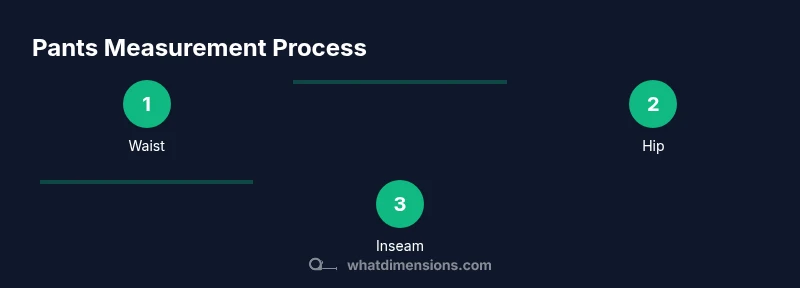
This section covers the core circumference measurements. Start by laying the pants flat on a clean surface, or measure on your body with a relaxed, natural stance. For the waist, take the measurement where the waistband normally sits, not where the pants would be worn if you were standing with extra slack. For the hips, measure across the widest point of the buttocks and across to the other side. Record both measurements with the tape lying flat against the skin for accuracy. If you’re measuring on a body, have your helper pull the tape gently around the midsection and hold the end at the navel; avoid pulling too tightly. Add a note about whether you wore a thin layer so future measurements stay consistent.
Step-by-step: inseam and rise measurements
Inseam measures from the crotch seam to the bottom of the leg, reflecting how pants will cover the leg length. Rise measurements capture the distance from the crotch to the top edge of the waistband, which affects comfort in seating and bending. When measuring on a body, have your helper run the tape from the crotch area down the inner leg to the ankle. When measuring flat, align the crotch seam to the nearest edge and measure along the inseam line. Record both inseam and rise, noting if you took front or back rise as some pants differ in cut.
Step-by-step: thigh, knee, and leg opening measurements
Thigh measurement is taken around the fullest part of the upper leg, while the knee measurement goes around the knee’s widest point. The leg opening measures around the pant leg’s bottom circumference. For accuracy, measure with the leg relaxed and the tape parallel to the floor. If you’re measuring on a person, make sure the leg is not twisted and the tape rests flat against the skin. When measuring on pants laid flat, double the seam allowance and check that the fabric sits smoothly without pulling.
Translating measurements to brands and sizing charts
Brands vary in how they list measurements and how much ease they build into a size. Use your waist and hip numbers as the primary reference and compare them against each brand’s size chart. If the chart shows waist and hip in inches, convert to the same unit you recorded. Keep in mind that some brands favor a slimmer or looser fit; use your inseam as a tie-breaker for length. What Dimensions Analysis, 2026 emphasizes consulting official size charts for each brand and documenting any discrepancies you notice while tailoring.
Practical tips for different pants styles
Different styles (jeans, chinos, dress pants) carry different ease and fabric drape. For rigid denim, you may prefer a snug waist with slightly more hip room; for dress pants, you might want a smoother hip line and a longer inseam to prevent bunching. When shopping online, use your precise waist, hip, and inseam values as the baseline and look for style guides from the brand to understand fit. If you routinely alter trousers, keeping a measurement log will help you reproduce a consistent fit across multiple pairs.
Recording, storing, and rechecking your measurements
Document each measurement with date and unit, and store the data in a dedicated notebook or digital file. Consider including a quick sketch or photo of the measurement points for visual reference. Recheck measurements if you gain or lose weight or if you notice a fit change after washing or tailoring. Keeping a current set of measurements reduces guesswork and helps you avoid returns or misfitting purchases.
Common mistakes and troubleshooting
Common mistakes include pulling the tape too tight, measuring over bulky clothing, or not accounting for fabric stretch. Always use a soft tape and a consistent clothing layer, verify tape alignment in multiple views, and recheck each measurement a second time. If a pair feels too tight at the hips but fits the waist, you may need a different cut or size in that brand. When in doubt, refer back to your measurement notes and compare to the specific brand’s chart.
Tools & Materials
- Soft measuring tape(Flexible, metric or imperial units; avoid stiff tapes)
- Pants or garment to measure(A well-fitting reference helps transfer measurements)
- Flat surface or mirror(Use a hard surface for flat measurements or a mirror for on-body checks)
- Notebook and pen(Record measurements with date and unit)
- Marker or pencil(Optional for marking reference points on fabric)
- Ruler or straight edge(Useful for aligning long measurements on flat layout)
Steps
Estimated time: 15-25 minutes
- 1
Prepare your environment
Set up a well-lit space with a flat surface. Gather your tools and put a clean garment or nearby pants on the surface to reference the fit. Ensure you have a helper if you plan to measure on body.
Tip: Verify the tape lies flat and sits parallel to the floor before starting. - 2
Measure the waist
Place the tape at the natural waistline, typically above the hip bone. Take the measurement with the tape snug but not tight, and keep the tape horizontal all the way around.
Tip: Use a mirror or helper to keep steady and avoid pulling upward on the tape. - 3
Measure the hips
Wrap the tape around the fullest part of the hips and across the buttocks. Ensure the tape sits flat and parallel, not angled.
Tip: Record the measurement at the first full wrap to avoid double-counting overlapping tape. - 4
Measure the inseam
For inseam, measure from the crotch seam down to the ankle bone along the inside leg. If measuring flat, lay the pants flat and measure along the inseam from crotch to hem.
Tip: If measuring on body, keep the leg slightly bent to mimic natural wear. - 5
Measure the rise
Front rise is from the crotch seam to the top of the waistband at the center front; back rise is similar at the center back. Use both if the style differs from the standard cut.
Tip: Note whether you measured front rise only or both front and back rises. - 6
Measure thigh, knee, and leg opening
Thigh measurement goes around the fullest part of the thigh; knee goes around the center of the knee; leg opening around the bottom of the leg. Keep the tape relaxed, not tight.
Tip: For flat measurements, double-check that the fabric is not stretched by the tape. - 7
Record and verify
Write down all measurements with units and date. Recheck each measurement once more to confirm accuracy before using them for shopping or tailoring.
Tip: Cross-check your waist and hip against the size charts of preferred brands.
Quick Answers
What is the most important measurement when shopping for pants?
Waist and inseam are the core measurements for determining fit and length. They influence comfort around the waist and the leg length, which affects overall silhouette.
Waist and inseam are the core measurements to check first when shopping for pants.
Should I measure over clothes or bare skin?
For best accuracy, measure over a thin layer such as underwear or light underwear fabrics. If you always wear tights or a form-fitting base layer, measure over that layer.
Measure over a thin, close-fitting layer for accuracy.
How often should I re-measure?
Re-measure if you notice a fit change after washing, weight change, or when you buy a new brand with different sizing.
Re-measure when your fit changes or you switch brands.
Do sizes vary by brand?
Yes. Always compare your measurements to the specific brand’s size chart and look for notes on ease and garment type.
Yes, check brand charts because sizing varies.
What if waist and hip numbers differ significantly?
This can indicate a defined silhouette or a need for a different cut. Consider styles with more or less hip room or sizing up in the waist if needed.
If waist and hip numbers differ a lot, look for different cuts or a better-fitting size.
Can I use pants that fit well to determine new sizes?
Yes. Use a well-fitting pair as a reference, then compare measurements to brand charts to select the closest size.
Yes, use a well-fitting pair as a reference and compare to charts.
Watch Video
Main Points
- Measure waist, hips, inseam, and rise first.
- Use a soft tape and a flat, consistent setup.
- Check brand size charts before buying or tailoring.
- Document measurements with date and unit.
- Recheck measurements when fittings change.