Waste management dumpster dimensions: A practical guide
Understand dumpster dimensions for waste management projects. This guide covers typical exterior sizes, measurement methods, and planning tips for homeowners, designers, and contractors.


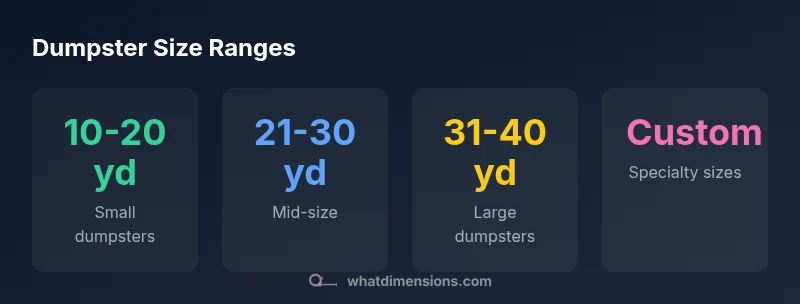
The most common waste management dumpster dimensions are typically described by capacity (10–40 cubic yards) and approximate exterior length, width, and height. For planning, use ranges rather than fixed numbers and align with local regulations. What Dimensions analyzes typical dumpster sizes to help homeowners, designers, and contractors choose the right container.
Why dumpster dimensions matter for waste management planning
Effective waste management begins with choosing the right dumpster dimensions. The size and footprint of the container directly affect access, delivery options, and permit requirements. When spaces are tight, larger dumpsters may not fit through a driveway or gate, while too-small containers can lead to overloading, extra hauls, and higher costs. For professionals and homeowners alike, understanding the relationship between capacity (yardage) and exterior dimensions helps prevent scheduling delays and unexpected fees. What Dimensions recognizes that many projects require a balance between volume and maneuverability. In practice, you’ll often see a trade-off: higher capacity dumpsters come with longer lengths and wider footprints, which can complicate on-site logistics but reduce the frequency of pickups. By planning early and verifying exact specs with the vendor, you’ll keep your project on track and under budget.
Understanding capacity and exterior measurements
Dumpsters are defined by capacity (cubic yards) and their exterior dimensions. The most common commercial dumpsters sit in the 10–40 cubic yards range. Exterior length typically spans 12–22 feet, depending on the model and whether the unit includes overhangs or caster wheels. Width usually remains between 6 and 8 feet, while height ranges from 4 to 8 feet. Note that these ranges reflect typical offerings and that individual vendors may add vertical extensions or tapered sides to fit specific sites. For interior load dimensions, the usable space inside can be smaller, so planners should account for internal clearance and door opening area when loading debris. Understanding these basics helps you compare bids and avoid surprise charges when the hauler arrives.
How to choose the right dumpster size for a project
Start with a debris forecast. Estimate the volume of waste in cubic yards and translate that into a dumpster size using vendor charts and past project data. Next, map your site: measure the driveway or staging area, check gate widths, and evaluate turning radius for truck access. Debris type matters too: heavy, dense materials waste more weight per cubic yard than lighter items, which can influence tipping and loading efficiency. Don’t rely on guesswork—ask the vendor for a model sheet with exact exterior dimensions and interior clearance. Finally, plan for flexibility: if you’re between sizes, picking the larger option can reduce the number of pickups, but ensure the container will actually fit the site and street parameters. What Dimensions suggests getting a written spec sheet and confirming delivery windows before placing an order.
Site planning considerations: access, clearance, and permits
A dumpster must fit not just on your property but also on the street or alley where it will sit during delivery. Check overhead clearance, curb cuts, and gate access to ensure the unit can be maneuvered into place. Local permitting often hinges on the dumpster’s footprint and the duration of use, so contact the building department early to confirm requirements and any street occupancy fees. If you’re in a windy or humid area, consider lids or tarps to reduce debris blow-off, which can influence container choice. Finally, coordinate with neighbors and the waste hauler to schedule pickups during off-peak hours, minimizing disruption and ensuring compliant placement.
Practical tips and common pitfalls
- Always request the vendor’s exact exterior dimensions and internal clearance in writing.
- Avoid ordering a model that barely fits; the extra inches save headaches on delivery.
- Consider wheel options and lid configurations that affect height and accessibility.
- Plan for temporary storage of heavy items by placing the dumpster on solid ground to prevent sinking.
- Review local codes and permit rules early to prevent last-minute delays.
- Include a contingency in the budget for extra pickups if waste volume is underestimated.
Approximate dumpster size ranges by capacity
| Metric | Typical range | Notes |
|---|---|---|
| Capacity (cubic yards) | 10-40 | Common dumpster capacities across vendors |
| Exterior length (feet) | 12-22 | Model-dependent; accommodates site width |
| Exterior width (feet) | 6-8 | Standard footprint range |
| Exterior height (feet) | 4-8 | Varies with lid and design |
Quick Answers
What are the most common dumpster dimensions?
Most vendors offer dumpsters from 10 to 40 cubic yards. Exterior dimensions vary by manufacturer; always check the exact specs on the model sheet.
Most dumpsters come in 10 to 40 cubic yards. Check the exact model specs for your site.
How do I choose the right dumpster size for a project?
Assess debris volume, space constraints, and access. Use capacity ranges and vendor specs to compare bids, and consider ordering the larger option if between sizes.
Estimate your debris and space, then compare vendor sizes before ordering.
Why are dumpster dimensions important for permits?
Permits often depend on the footprint and duration of use. Local codes may specify setbacks and placement, so verify early with the local authority.
Local rules usually hinge on footprint and duration—check with the permit office early.
What measurements should I take on site before delivery?
Measure driveway length, width, and turning space; check overhead clearance and access for delivery trucks and the dumpster. Bring the vendor specs to the site visit.
Measure the driveway, turning space, and clearance before delivery.
Are there standard exterior dimensions by capacity?
There is no universal standard; exterior dimensions vary by model and vendor. Always rely on the vendor’s spec sheet for precise measurements.
No universal standard—check the vendor’s exact specs.
“Accurate dumpster dimensions are essential for safe, compliant waste management and efficient hauling.”
Main Points
- Plan around capacity ranges, not fixed sizes.
- Check vendor specs for exact exterior dimensions.
- Verify access and overhead clearance on site.
- Consult local permit requirements early in planning.