Dimensions King Size Comforter: Sizing Guide for 2026
Learn how to select the right dimensions king size comforter with standard width and length ranges, how to measure, and care tips for a balanced, long lasting fit across king and California king beds.


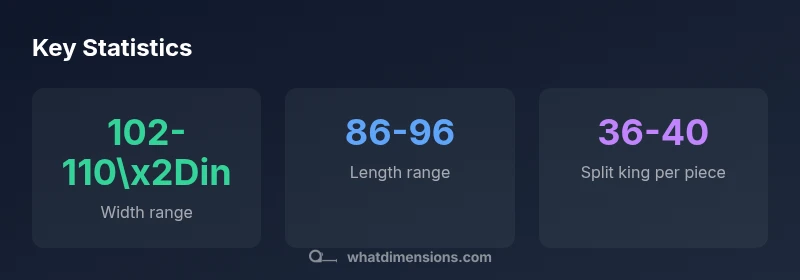
On a standard king bed, a king size comforter typically measures about 102–110 inches wide by 86–96 inches long, providing a generous drape over the sides. If you have a California king, expect roughly 102–112 by 96–102 inches. Always measure your mattress and desired overhang to ensure a comfortable fit.
Why accurate comforter dimensions matter
Choosing the right dimensions for a king size comforter is more than a matter of fit. The goal is to achieve balanced drape, clean lines, and practical coverage for a full night’s sleep. Inaccurate sizing can result in cold feet, exposed sides, or a bulky look that disrupts the bed’s visual harmony. What Dimensions has found that most sizing misalignments come from assuming one standard dimension fits all beds. By starting with the mattress size and adding the desired overhang, you create a reliable baseline for shopping. This approach also helps when comparing products from different brands, since some labels use slightly different naming conventions for the same measurements. Remember that mattress dimensions are fixed, while comforter dimensions can vary slightly by design and fill.
Standard bed types and their impact on comforter sizing
A standard king bed is typically 76 inches wide and 80 inches long, while a California king is 72 inches wide and 84 inches long. A split king uses two halves, each roughly 36-40 inches wide and 80 inches long. These bed dimensions influence the ideal comforter width and length. For instance, a standard king comforter usually targets a width in the 102-110 inch range and a length of 86-96 inches. If you own a split king, you may prefer two smaller comforters so each sleeper can customize their side. This insight aligns with What Dimensions findings on how bed configuration drives required coverage and drape.
How to measure your bed for a precise fit
Begin by measuring the mattress width across both rails, then measure the length from the headboard to the footboard. Add 6-12 inches to each side for a generous overhang, and consider deeper beds or toppers that reduce effective height. If you use a bed skirt or platform, account for it in your overall width. When shopping, compare the measurements you took with the product’s listed dimensions. Some brands publish finished dimensions that include seam allowances and cuffing. Always verify the product label and, if possible, request a sample swatch to confirm fabric orientation and size.
Materials, warmth, and their effect on dimension choices
The density and fill of a comforter influence perceived size. A heavy, high-fill comforter might feel bulkier, whereas a lighter duvet can look sleeker while offering less warmth. For dimension-conscious buyers, a lightweight fill paired with a roomy width delivers a comfortable silhouette without the heaviness. Down or down-alternative fills have different lofts, which can slightly alter the overall drape. When evaluating products, consider both the stated dimensions and the intended climate. The right combination of fabric, fill, and size will produce a balanced look that tolerates everyday use without shrinking or drifting.
Drape aesthetics: achieving balanced overhang on king beds
A well-draped bed features uniform overhang along the sides and foot of the mattress. A typical target is an overhang of 6-12 inches, though personal preference and bed frame height can shift this range. For split kings, even coverage on each side matters for visual symmetry. If you like a more tailored look, aim for slightly shorter drape with a crisp edge. For cozy or dorm-room setups, a longer drape can create a cocoon-like feel. Remember to measure after adding any mattress toppers or pads, as these can widen or shorten the effective sleeping surface.
Care and long-term size stability of king comforters
To preserve size integrity, follow care instructions on the label, including recommended washing temperature and drying cycles. Repeated high-heat drying can affect trim and fabric around the edges, subtly altering perceived dimensions. Store comforters properly when not in use to avoid fabric distortion from compression. Over time, some brands may loosen or shrink slightly after multiple washings, but choosing a high-quality fabric and following care guidelines minimizes dimensional changes. If you plan to rotate or replace bedding seasonally, keep a small reference chart of your typical measurements for quick checks.
Comforter sizing by bed type
| Bed Type | Typical Comforter Width | Typical Comforter Length |
|---|---|---|
| Standard King | 102-110 | 86-96 |
| California King | 102-112 | 96-102 |
| Split King (per piece) | 36-40 | 86-96 |
| Queen (reference) | 86-92 | 86-94 |
Quick Answers
What are the standard dimensions for a king size comforter?
Typical king size comforters range between 102-110 inches wide and 86-96 inches long. Options vary by brand, so always check the label before purchasing.
Most king comforters are around 102 to 110 inches wide and 86 to 96 inches long. Check the product label for exact measurements.
Can I use a king size comforter on a California king bed?
A standard king comforter may be wide enough but could be shorter for a California king bed. If you want full coverage, consider a California king sized comforter or two pieces for a split setup.
A standard king comforter might not cover a California king evenly. For best results, choose the California king size or use two pieces for a split setup.
What is the difference between a duvet and a comforter for sizing?
Duvets are typically designed to be used with a duvet cover and often sold in standard bedding sizes, while comforters are finished with fabric and have fixed overall dimensions. For sizing, treat duvets as needing cover dimensions, while comforters require exact finished measurements.
Duvets use covers and can differ in fit from comforters, which have fixed sizes. Check the label for the exact finished dimensions.
How should I measure for the drape of a king size comforter?
Measure the mattress width and length, then add 6-12 inches to each side for the desired overhang. Adjust for any bed frame or toppers that change the sleeping surface.
Measure the bed and add extra inches for the overhang to get your ideal drape.
How do care and washing affect comforter dimensions?
Follow the label instructions; high heat and frequent washing can cause minor dimensional changes over time. Always air dry when possible and store properly when not in use.
Care steps can slightly affect size, so follow the label and avoid excessive heat.
“Sizing accuracy matters because a misfit comforter can create cold corners or bulky seams. Prioritizing measured width and length yields reliable drape and satisfaction.”
Main Points
- Measure your mattress width and length before buying.
- Choose bed-type-specific comforter sizes (king, California king, split-king).
- Aim for a 6–12 inch drape over the sides for a balanced look.
- Verify product dimensions with the seller using your exact mattress size.