When to Size Up Baby Clothes: A Practical Guide
Learn when to size up baby clothes with confidence. This step-by-step guide covers size charts, growth cues, seasonal changes, and practical tips to keep babies comfortable and wardrobe-efficient.


Goal: Time sizing up baby clothes for comfort, growth, and easy dressing. Size up when your baby touches or exceeds the current size’s height/weight ranges, or with seasonal changes. Use a measured approach: check height, weight, fabric stretch, and movement, then pick one size up with room to grow. This quick approach helps minimize waste and mess. See our detailed guide for checks.
Why sizing up baby clothes matters
Choosing the right fit goes beyond comfort. When you size up appropriately, your baby has room to stretch, move, and grow without feeling restricted. This reduces diaper leaks caused by tight outfits and supports healthy hip and leg development. According to What Dimensions, a properly timed size increase can extend wardrobe life and reduce waste by letting garments be worn for longer periods. The practical implication is simple: start with a baseline size that fits at the shoulders and chest, then anticipate growth over the next 4–8 weeks during rapid growth spurts.
To identify when to size up, first learn the common size ranges used in infant clothing. Many brands label outfits by age brackets (newborn, 0–3 months, 3–6 months, etc.), but height and weight tranches are often more reliable than age alone. For example, a baby at the upper end of the 3–6 month range may still be eligible for that size if their torso length and sleeve length align with the garment. Conversely, if the sleeves are too tight or the waistband leaves marks, it’s a signal to consider the next size.
How to read size charts and age guides
Age labels are helpful, but babies grow at different paces, and height can be a stronger predictor of fit than age alone. When reading size charts, look for both height (in centimeters or inches) and weight (in pounds or kilograms) ranges. If your baby sits between two ranges, base the decision on torso length and sleeve length rather than calendar age. Some brands include measurement tips like “torso height from shoulder to crotch” and “arm length from shoulder to wrist.” Gathering multiple brand charts helps you spot consistent patterns and avoid overbuying.
What Dimensions analysis shows is that brands vary in cut, so the same labeled size can feel different across lines. Always compare a garment’s measurements to your baby’s current measurements, not just the size label. If you’re shopping online, save a quick reference by recording each garment’s chest width, torso length, sleeve length, and diaper space. This reduces uncertainty when you try a new brand.
Signs your baby has outgrown a size
There are clear, practical signals that a size is too small or becoming restrictive. Sleeves that pull at the wrists or feel tight when arms are extended, pant legs that pull at the ankles, or a waistband that leaves red marks indicate it’s time to size up. Check shoulder seams—if they slip off the shoulders or sit well below, the garment isn’t staying in place during movement. Another cue is overall silhouette: a snug fit across the chest, back, or belly can hinder breathing and flexibility.
Also watch for growth patterns: if height has increased but you’re still pushing against the fabric when bending or sitting, you likely need a larger size. In addition to measurements, consider how often you plan to layer under the garment; looser fits often make layering easier and safer for movement.
Practical sizing strategies for newborn to 12 months
Most babies will move through sizes roughly every 1–2 months during early infancy, with seasonal shifts affecting what they need. Start with the recommended newborn or 0–3 month size, but be prepared to move up early if growth is rapid or if movement is restricted. Use a flexible approach: keep a few outfits in the next size on hand, particularly for sleepwear and outerwear. For winter, err on the side of a slightly larger garment with a snug thermal layer underneath so you maintain warmth without squeezing.
Record baby’s growth milestones as you shop. Note weight and height at each size transition, and adjust your future shopping list accordingly. If you regularly shop at the same retailer, build a quick cheat sheet of their size ranges and how their cuts differ. This helps you predict fit and minimizes returns.
How to test fit without stress
The best way to test fit is to measure and compare, not merely rely on a size label. Use a soft measuring tape to chart chest, torso length, and sleeve length. Dress the baby in a layer similar to what they’d wear with the outfit and move through a few actions—bending, reaching, and kicking legs—to ensure comfortable freedom of movement. Leave a finger-width of ease at the chest and waist to accommodate growth and diaper changes. If you can’t test movement safely with the baby awake, lay out the garment flat and check that the fabric has stretch enough for comfortable dressing and undressing.
When shopping, choose fabrics with some stretch (like cotton jerseys or blends) for older babies who are learning to crawl or stand. Quick-dry fabrics are practical for active days. And always check washing instructions; shrinkage can affect fit after a first wash.
Common myths about baby clothing sizes
A common myth is that bigger is always better to “grow into.” In reality, clothing should fit well in the shoulders, chest, and torso while allowing room for mobility. Another misconception is that age-based labels are precise; brand variations can make a 6–9 month garment too short for a tall baby while another baby of the same age may fit just right. Pre-washing can shrink fabric by a small margin, so consider air-drying samples to check for fit after washing. Finally, layering can compensate for minor sizing differences, but bulky layers can defeat ease of movement if the outer garment is too tight.
Seasonal changes and growth spurts: timing it right
Seasonal transitions introduce new sizing considerations. In colder months, you may want a size up to accommodate a fleece or puffy layer, while in warmer months, lighter layers reduce heat and prevent overheating. Growth spurts can occur suddenly, so keeping a few larger outfits handy ensures you don’t scramble for replacements. When shopping for seasonal wardrobes, prioritize pieces with stretchy cuffs, adjustable waistbands, and forgiving cuts that adapt as babies grow.
Toward consistent, confident sizing decisions
Sizing up baby clothes is about predictable growth, thoughtful layering, and practical testing. By understanding size charts, observing growth cues, and testing fit, you can optimize comfort and wardrobe longevity. Remember that each baby is unique, and even quick measurements can guide you toward a better fit. What Dimensions suggests keeping a simple tracking log of growth and fit to refine future purchases and reduce waste.
Tools & Materials
- Soft measuring tape (metric/inches)(Measure chest width, torso length (shoulder to crotch), and sleeve length.)
- Brand size charts and baby garments to compare(Build a quick reference library of common ranges and cuts.)
- Notebook or digital notes app(Log growth data and sizing decisions for future purchases.)
- Existing garments in current size(Used to assess fit and growth direction before purchasing new items.)
- Pen, pencil, or stylus(For quick notes on measurements and decisions.)
Steps
Estimated time: 15-25 minutes
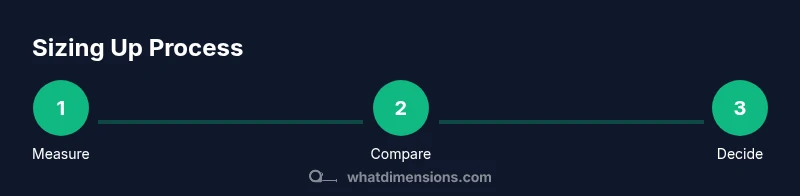
- 1
Measure current size
Use a soft measuring tape to record chest width, torso length (shoulder to crotch), and sleeve length. Note your baby’s current height and approximate weight when possible. Record these measurements in your log for quick comparisons later.
Tip: Take measurements while the baby is calm and comfortably dressed in one layer to avoid skews. - 2
Check existing wardrobe
Compare current outfits to your baby’s measurements. Look for fits that are visibly snug at the shoulders or chest or feel tight when arms move. Use garments as a test baseline before you buy new sizes.
Tip: If a garment fits at the shoulders but is tight at the belly, that’s a sign to size up despite other fit aspects. - 3
Consult size charts
Open multiple brand size charts and map your baby’s measurements to the listed ranges. If in-between sizes occur, prefer the size that provides comfortable torso length and sleeve clearance.
Tip: Keep a small comparison sheet for each brand to speed up future shopping trips. - 4
Decide when to move up
If measurements sit near the top of the current size range or if growth trends show consistent upward movement, choose the next size with some room to grow.
Tip: Favor fabrics with stretch and looser cuts for transition periods. - 5
Test fit before wearing
If possible, try the garment on the baby or simulate the fit with a similar outfit. Check movement during gentle play and ensure no constricting seams.
Tip: Ensure diaper space is preserved; pull-up diapers can cause tight fits if not accounted for. - 6
Log decisions for future purchases
Record the size transitions, the brand used, and how well the fit held up after washing. This helps forecast future sizes and reduces returns.
Tip: Review your log before buying new items; it saves time and reduces waste.
Quick Answers
How often should I size up as my baby grows?
Most babies transition through sizes every 1–2 months in the first year, but it varies by growth rate and brand. Use measurements and movement tests to confirm each time.
Babies usually move up a size every month or two in the first year, but check measurements to confirm.
Are there signs to avoid buying a bigger size too early?
Yes. If the garment compresses the chest, restricts movement, or causes waist or hip marks, it’s better to stay in the current size or transition more gradually.
If it restricts movement or leaves marks, don’t jump sizes yet.
Should I size up for winter vs. summer?
Yes—winter layers often require one size up to accommodate a sweater or fleece underneath, while summer outfits may need less room for airflow.
Winter usually benefits from an extra size for layers; summer may be closer to the current size.
Do different brands size differently for babies?
Absolutely. Always compare the garment’s real measurements to your log. Some brands run small; others are roomier. When in doubt, size up to ensure comfortable movement.
Brands vary, so check measurements and compare before buying.
Is it okay to use hand-me-downs across sizes?
Hand-me-downs can work if the garments are still in good shape and fit well, but verify that the sizing is appropriate for the recipient. Growth-specific items may not fit as expected.
Hand-me-downs are fine if they fit properly and are comfortable.
What should I do with clothes that shrink after washing?
If shrinkage is minimal, you may still use the garment. If it becomes too short or tight, replace it with the next size and consider pre-washed fabrics in future purchases.
If it shrank too much, move up a size next time.
Watch Video
Main Points
- Size up when measurements approach the top of the current range.
- Read multiple brand charts, not just age labels.
- Test fit with movement and ensure room to grow.
- Seasonal changes influence sizing decisions.