Dimensions 8 Yard Skip: Size, Measurements & Planning
A comprehensive, data-driven guide to the dimensions of an 8 yard skip, including typical external measurements, how to measure your space, and how size affects delivery, access, and permits. Insights from What Dimensions.


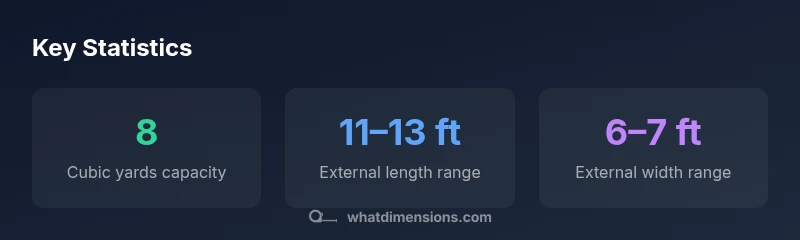
In dimensions 8 yard skip discussions, the term describes a waste container with about 8 cubic yards of capacity, commonly used for home renovations and construction debris. External dimensions vary by model and supplier, but most units are roughly 11–13 feet long, 6–7 feet wide, and around 4 feet tall. Always confirm exact measurements with your skip hire provider before booking to avoid access issues.
Why Dimensions Matter for Skips
Precise dimensions are not just about raw size; they determine whether a skip will physically fit on your site, how easily it can be loaded, and whether it complies with local parking and road-use rules. According to What Dimensions, homeowners and contractors consistently save time and money when they verify external measurements before booking. In 2026, a growing awareness of dimensional accuracy helps reduce site delays, mis-orders, and failed deliveries. By approaching dimensions methodically, you can align your project plan with your supplier’s capabilities and your space constraints.
Understanding the 8 Yard Skip: Capacity vs External Size
The label "8 yard" primarily describes volume, not a fixed box size. Different manufacturers build 8 cubic-yard skips with varied external shells, wheelbases, and loading angles. This means two 8 yard skips can occupy different footprints, even though their usable capacity is similar. For site planning, focus on two numbers: capacity (about 8 cubic yards) and the external footprint. The capacity informs how much debris you can safely load, while the footprint determines if the unit will fit through gates, onto driveways, and along access routes.
Typical External Dimensions: What to Expect
External dimensions for an 8 yard skip commonly fall within a range because models differ. You will often see:
- Length: roughly 11–13 ft (3.35–4.00 m)
- Width: roughly 6–7 ft (1.8–2.1 m)
- Height: roughly 4–5 ft (1.2–1.5 m)
These ranges reflect standard construction practices and wheel configurations. When planning, treat these figures as a spectrum rather than a single value. If you operate in a tight urban space or need access through a narrow gate, you may encounter slimmer profiles on some models. Always ask your provider for exact, model-specific measurements to ensure a clean drop-off and loading.
How to Measure Your Space for an 8 Yard Skip
Measuring your site is a straightforward, multi-step process:
- Map the loading area: record the length, width, and height clearances required for the skip to sit flat without tilting.
- Check route constraints: consider bends, gate widths, driveway entrances, and overhead obstructions like branches or lighting.
- Add loading space: allow a few additional feet to maneuver and align the loader or driver, and account for any wheel ramps or stabilizers.
- Confirm ground stability: ensure the surface can bear the weight, especially on soft ground or sloped driveways.
- Create a simple diagram: sketch the area with measured dimensions to bring to the hire desk for confirmation.
These steps help you align the footprint of the skip with your site constraints, reducing the chances of last-minute changes or re-deliveries. What Dimensions emphasizes practical measurement methods to avoid misinterpretation and errors on project day.
Planning for Access and Location Constraints
Placement is as important as capacity. Factors to consider include:
- Vehicle access: ensure the truck can reach the site and maneuver to position the skip without hitting fences or parked cars.
- Ground protection: use boards or mats on soft ground to prevent sinking and damage to turf or asphalt.
- Local rules: many municipalities require permits for placing a skip on a public street; verify requirements with your local authority.
- Safety zones: mark off the area, keep pedestrians clear, and post a visible warning sign to prevent accidents during loading.
The aim is to minimize site disruption while maintaining compliance and safety throughout the project.
Choosing the Right Skip Size: 8 Yard vs Other Options
Skip sizes come in a range of capacities, with 6, 8, and 12 cubic yards being common on residential projects. Use an 8 yard skip for medium-sized renovations, mid-range debris, or mixed loads. If the project is small (minor cleanout or attic clearance), a 6 yard skip might suffice, while larger demolitions or long-term projects may require a 12 yard unit. The most reliable approach is to compare the concrete capacity you need with the footprint you can fit on site, then confirm exact dimensions with your supplier.
Maintenance, Safety and Compliance Considerations
Coordinating dimensions with loading practices reduces risks associated with overloading and unstable material. Always follow the weight limits set by your hire company, and never exceed the maximum load height recommended for the model. Use proper securing methods for loose debris, and keep the area around the skip clear to maintain sightlines for passing vehicles. If you plan to place a skip on a public road, obtain any necessary permits and inform neighbors to avoid conflicts during delivery and pickup. What Dimensions teams emphasize that proactive measurement and planning minimize risk and keep projects on track.
External dimension ranges and capacity for typical 8 yard skips
| Dimension Aspect | Typical Range | Notes |
|---|---|---|
| Length | 11–13 ft (3.35–4.00 m) | External footprint varies by model |
| Width | 6–7 ft (1.8–2.1 m) | Measured externally, including wheels |
| Height | 4–5 ft (1.2–1.5 m) | Heights vary with wheel setup |
| Volume | 8 cubic yards | Nominal capacity of the unit |
| Access | Gate/driveway width dependent | Plan for turning and clearance |
Quick Answers
What does an 8 yard skip refer to in practical terms?
An 8 yard skip refers to the container’s capacity, typically around eight cubic yards of waste. External dimensions vary by model, so rely on the supplier for exact measurements and ensure the footprint fits your site.
An 8 yard skip is about capacity, not a fixed size; always check exact measurements with the hire company.
Why do skip external dimensions vary between suppliers?
Different manufacturers use different chassis, wheelbases, and loading angles. As a result, two 8 yard skips can have different footprints despite similar capacity. Always request model-specific dimensions from your supplier.
Variations come from design choices by manufacturers; confirm exact size before ordering.
How can I determine if a skip will fit on my driveway?
Measure the available length, width, and height clearance, then compare to the supplier’s model footprint. Include space for loading and maneuvering. If in doubt, choose a smaller model or request a custom footprint.
Measure your space and check the footprint with the company before booking.
Do I need a permit to place a skip on public property?
In many regions you’ll need a permit from the local council to place a skip on a public street or pavement. Private property typically doesn’t require a permit, but always verify local rules.
Check with your local council to confirm permit requirements.
What factors besides dimensions should I consider when ordering an 8 yard skip?
Load type, waste restrictions, delivery window, access routes, and total project duration all influence the right skip choice. Discuss these with your supplier to optimize scheduling and costs.
Think about load type and access, not just size.
How can I compare dimensions across different skip suppliers?
Request exact model footprints (length, width, height) and any loading constraints. Compare capacity as well as the footprint to choose the best fit for your site.
Get exact measurements from each supplier and compare them side by side.
“Accurate skip dimensions save time and prevent delivery delays. Our team recommends verifying external measurements with your supplier before booking to ensure a smooth drop-off.”
Main Points
- Measure your site thoroughly before ordering
- Expect variability in external dimensions across models
- Always confirm exact measurements with the supplier
- Plan for loading space and driver access
- Check local permits if placing on public property