How to Size a Ring: The Best Way to Get an Accurate Fit
Learn the best method to size a ring with accuracy, covering at-home techniques, professional options, knuckle clearance, and how to verify fit for long-term comfort.


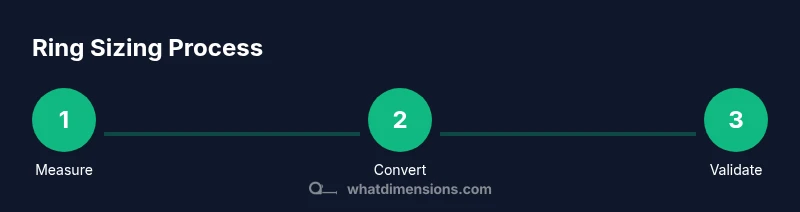
According to What Dimensions, the best way to size a ring accurately is to combine finger measurements with practical try-ons using a proper ring sizer. Begin with a reliable adjustable or printable sizer, measure at least twice on different days, and verify the fit with a few sample rings. The approach considers circumference, knuckle clearance, and everyday factors for a lasting, comfortable result.
Why Ring Sizing Matters
Getting the ring size right is about more than aesthetics; it's about comfort, safety, and longevity of the piece. A ring that fits too loosely can slip off, while one that is too tight can restrict circulation and wear down the band over time. According to What Dimensions, the best sizing balances finger circumference, knuckle clearance, and daily activities. Finger swelling varies with time of day, temperature, and hydration, so reading a single measurement in isolation can be misleading. A well-sized ring should slide over the knuckle with light resistance and sit comfortably just behind the knuckle without pinching. When you size accurately, you reduce resizing frequency, preserve metal integrity, and ensure the ring can be worn in all seasons. This is especially important for wedding bands, heirlooms, or rings with gemstones that may crack if forced on or off. In short, precise sizing is foundational to wearing comfort and jewelry longevity.
Ring sizing fundamentals
Ring sizing uses two primary dimensions: circumference (the distance around the finger) and diameter (the width across). In most markets, sizes are expressed in standardized scales (for example, US/Canada, UK, EU). Because knuckles can differ in height from the base of the finger, two common-fit strategies exist: a snug fit around the finger's base, or a comfort-fit that glides over the knuckle with less resistance. It's also important to consider finger variations by season and time of day; hands tend to swell in heat or after activity. In practice, you measure around the widest part of the finger (excluding the knuckle) and compare to a size chart. If measurements land between sizes, choose the larger size and discuss a comfortable fit with your jeweler.
At-Home Sizing Methods You Can Trust
There are several reliable ways to size a ring at home without visiting a shop. A professional ring sizer set includes rings in many sizes and a mandrel; you can also print a ring size chart from a reputable source and measure around your finger. The string or floss method uses a flexible string to wrap around the base of the finger, then you measure the length to determine circumference. A flexible tape measure or a piece of paper can be used similarly. The key is to take multiple measurements on different days and to account for swelling. For best results, remove rings that slide too loosely or too tightly and test with rings in your chosen style.
When to Seek Professional Sizing
Professional sizing is preferable when you want precision, especially for precious metals or rings with stones. Jewelers often measure with a metal ring mandrel and adjust with ring shanks or resizing rings. A true ring size can differ from your home measurements due to knuckle height and finger rotation. If you anticipate future finger changes, discuss a comfort-fit design or potential resizing options with the jeweler. While some resizing is possible, not all rings can be sized up or down beyond a certain limit without compromising durability.
Common Mistakes to Avoid
Relying on a single measurement is the most common error. Environmental factors, such as heat, caffeine, and exercise, can temporarily swell fingers and distort results. Not using a proper sizer or chart can lead to inaccurate results. When in doubt, sizing up a half size and testing with a few different ring styles helps. Do not size rings to the tightest comfortable fit if you plan to wear them with gloves; ensure the fit remains secure when your hand is at rest.
Long-Term Sizing: How to Maintain a Comfortable Fit
A well-sized ring should last for years, but finger size can change due to aging, weight fluctuations, pregnancy, or health conditions. If you notice frequent resizing, consider a comfort-fit design, a slightly larger size with a tapered inner profile, or a ring with adjustable features. Store rings carefully in a cool, dry place away from direct sunlight to prevent warping. Regularly check the setting and remeasure if you plan to repurpose a ring or after major life changes. The What Dimensions Team's verdict is that accurate sizing combines measurement with practical try-ons and ongoing communication with a trusted jeweler.
Tools & Materials
- Adjustable ring sizer(Plastic or metal adjustable tool; used to measure at home)
- Printable ring size chart (scale-verified)(Print to scale; use a trusted source to ensure scale accuracy)
- Flexible measuring tape or non-stretch floss/string(Wrap around base of finger to measure circumference)
- Ruler or caliper(For converting circumference to diameter or size chart matching)
- Pen and notepad(Record measurements and notes for cross-checking)
Steps
Estimated time: 25-40 minutes
- 1
Gather sizing tools
Collect a ring sizer, measuring tape/string, ruler or caliper, and a notebook. Ensure fingers are warm and hands are relaxed to prevent skewed readings.
Tip: Keep tools in a dedicated, room-temperature kit to avoid temp-induced swelling. - 2
Measure finger circumference
Wrap the tape or floss around the base of the finger (not the knuckle) with a snug but comfortable fit. Mark where the end meets the start, then measure the length in millimeters.
Tip: Do this a couple of times on different days for consistency. - 3
Convert circumference to size
Use a trusted ring size chart to translate the circumference into a ring size in your regional system (US/UK/EU). Compare to the closest size and note if you’re between sizes.
Tip: If between sizes, plan for the larger option or discuss comfort-fit with a jeweler. - 4
Test with sizer rings or charts
Place the next closest sizes on your finger or print a chart overlay to verify fit. The ring should slide past the knuckle with light resistance and stay secure behind it.
Tip: Test several styles and metals, as inner curvature differs by design. - 5
Check knuckle clearance and comfort
Ensure the ring glides over the knuckle without excessive force. Comfort-fit designs typically feel easier to slide on and off.
Tip: If it catches, go up a half size or consider a comfort-fit option. - 6
Finalize size and plan resizing options
Record the final size; discuss future resizing with a jeweler if you expect changes (e.g., pregnancy or weight shifts).
Tip: Document both circumference and diameter measurements for future reference.
Quick Answers
What is the most accurate way to size a ring?
The most accurate method combines direct measurement with professional sizing using a ring mandrel. Home methods can be highly reliable when used consistently and with a valid chart.
Use both home measurements and professional sizing for the most accurate result.
Can I size a ring myself at home?
Yes, you can size rings at home using a sizer and chart, but major resizing or gemstone settings are best handled by a jeweler to avoid damage.
You can do basic sizing at home, but for big changes, see a professional.
How do I size a ring for someone else?
Measure their finger with a ring sizer or borrow a ring that fits and measure the inner diameter. Compare to charts and ensure the style matches.
Use a sizer or a ring that fits to measure, then compare to size charts.
What if my finger swells in hot weather?
Measure after finger warmth subsides, preferably in the cooler part of the day. If in-between sizes, choose the larger size.
Wait for cooler conditions to measure; sizes can shift with heat.
How long does resizing typically take?
A jeweler usually completes resizing within a few days to a week, depending on the ring material and workload.
Most shops finish resizing in a few days to a week.
Watch Video
Main Points
- Measure finger at day’s end for accuracy
- Use a proper ring sizer to test fit
- Cross-check circumference with a size chart
- Account for knuckle clearance and swelling
- Plan resizing options and comfort-fit if needed