Size List for Girls: A Precise Sizing Guide
Learn how to build a precise size list for girls, from toddler to teen, with measurements, brand charts, and practical tips to shop confidently across clothing, shoes, and accessories.


A practical size list for girls spans toddler through teen, typically organized as toddler, children, and teen ranges. The most reliable method is to measure height, chest, waist, and hip and compare them to each brand’s size chart. Remember that brands vary, so always check the specific guide before shopping.
Understanding the size list for girls
According to What Dimensions, a robust size list for girls should cover growth stages from toddler to teen and align with length, circumference, and height measurements. The goal is to translate a collection of body dimensions into practical size categories that shoppers can trust across brands. In practice, you’ll see segments such as toddler, child, and teen, each tied to height and key measurements. Use this framework as a baseline when you assemble a household size list for clothing, shoes, and accessories, and remember that your actual fit will depend on brand-specific charts and garment ease. The size list is not a single universal ruler; it is a dynamic reference that grows with a child’s development, activity level, and the types of garments they wear. Comfort, movement, and fabric properties (stretch, drape, compression) all influence whether a chart’s size aligns with real-life fit.
Core measurements and how to take them
To build a reliable size list for girls, start with four essential measurements: height, chest (bust), waist, and hip. For bottoms, add waist and hip; for dresses and one-piece outfits, torso length (neck to waist) matters as well. Feet length is critical for shoes. Use a soft measuring tape that lies flat against the skin without compressing the body, stand the child straight with relaxed shoulders, and record readings to the nearest 0.5 cm or 1/4 inch. Take measurements twice to confirm accuracy, then average the results if there are small discrepancies. Write down context: whether the child was wearing a light layer, whether the posture was straight, and whether the measurement was taken after a growth period or a growth spurt. This disciplined approach makes future shopping far more predictable and reduces the need for returns.
Reading and comparing size charts across brands
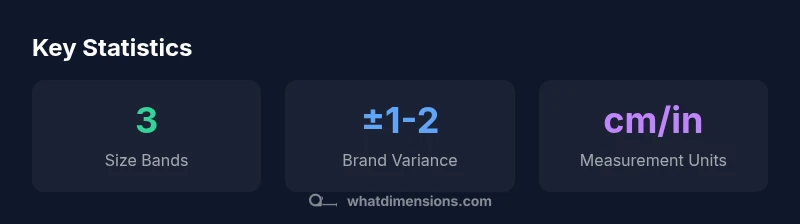
Size charts vary widely by brand and region, even within the same country. Always locate the chart for the exact product and compare your child’s measurements against the chart’s size range. If a measurement falls between two sizes, options include choosing the larger size with adjustable features or trying size-specific variants (for example, pants with an elastic waist or skirts with adjustable hems). When reading charts, pay attention to the garment ease: a chart size might be labeled as 'medium' but the garment could be cut with extra room for movement. For international shopping, verify both metric and imperial references and consider using a conversion tool to map centimeters to inches. Finally, document each brand’s chart reference so you can build a cross-store sizing map over time.
Practical sizing across product categories
Clothes: Tops and dresses often rely on chest measurements and overall height; adjust for sleeve length and arm movement. Bottoms: Waist and hip circumference dominate fit; inseam length matters for pants and leggings. Shoes: Foot length is the primary determinant; always measure and compare to the brand’s size guide, allowing a little room for growth. Accessories: Backpacks and belts should be evaluated for length and adjustability. In all cases, prefer items with elastic waistbands, stretchy fabrics, or adjustable features, which extend wear as a child grows. Where possible, try before you buy, or choose retailers that offer easy returns and flexible exchange policies.
International sizing considerations and conversions
Shopping across borders adds complexity because size lists can differ by country. Use brand charts as the primary reference, then apply conversion rules between centimeters and inches as needed. Some regions publish a dedicated girls’ size chart that maps ages to approximate measurements; others rely on explicit height bands. When in doubt, contact customer service for a size recommendation and consider ordering multiple sizes with a clear return plan. Remember that growth patterns and garment ease can vary by country, so your size list should include a buffer for growth and the potential for regional fit differences.
Building a household size list and maintenance
Create a living document: a simple spreadsheet or notebook that records your child’s measurements and updates with growth. Use 2-3 core size bands (e.g., toddler/child/teen) and add a few flexible items (stretch fabrics, adjustable waists) to accommodate growth. Periodically verify against current brand charts and revise the list when a dominant brand shifts sizing. This habit saves time, reduces returns, and ensures your child’s wardrobe remains aligned with real measurements. Set a reminder every six months to re-measure and re-check the charts, especially at key growth milestones like the start of a new school year or after a growth spurt.
Sample size list categories for girls
| Item / Category | Typical Size Range (girls) | Notes |
|---|---|---|
| Clothing tops | 2T-16 (approx.) | Check chest measurement and sleeve length |
| Dresses | 2T-14 | Consider torso length and armhole fit |
| Bottoms | 2T-16 | Waist and hip measurements matter |
| Shoes | US kids sizes 1-6.5 | Measure foot length; convert cm/inches |
Quick Answers
What measurements should I take for a girls' size list?
Measure height, chest, waist, hip, inseam, and, for shoes, foot length. Use a soft measuring tape and record each measurement with the date and brand chart reference.
Measure height, chest, waist, hip, inseam, and foot length; note the date and brand chart.
Are size charts standard across brands?
No. Size charts vary by brand and region; always check the specific chart and consider trying items in-store if possible.
Size charts vary by brand; check each chart before buying.
How do growth spurts affect sizing?
Kids grow at different rates; re-check measurements every few months and favor items with adjustable features.
Kids grow at different rates, so re-check sizes every few months.
How can I convert measurements for international shopping?
Use country-specific charts and conversion tables; many brands list both metric and imperial options.
Use country-specific charts and convert cm to inches as needed.
What about shoes sizing for kids?
Measure foot length with a ruler and compare to the brand’s size guide; sizes differ by brand.
Measure foot length and consult the brand's guide; sizes vary by brand.
Should I size up for growing kids?
It’s common to buy one size up and choose adjustable or forgiving designs; monitor fit as growth continues.
Sometimes size up and use adjustable features; check fit regularly.
“A precise size list for girls combines accurate measurements with brand-specific charts to ensure a reliable fit across clothing, shoes, and accessories.”
Main Points
- Measure height and body dimensions before shopping
- Always compare to brand size charts
- Account for growth with adjustable features
- Use a cross-brand sizing map
- Keep a living size list for the household