Rectangular Table Cloth Dimensions: A Practical Sizing Guide
Learn how to determine rectangular table cloth dimensions with practical sizing guidelines, overhang tips, and size comparisons to fit dining tables and banquet setups in 2026.


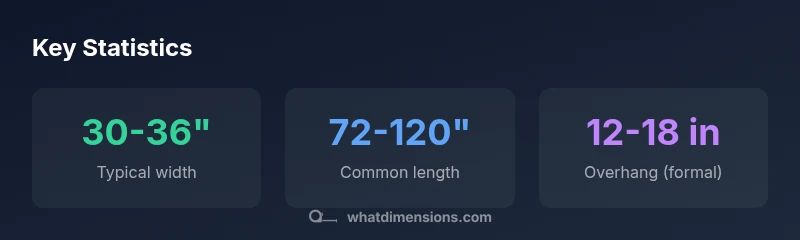
Finding the right rectangular table cloth dimensions starts with your table measurements. For a balanced look, add 6–12 inches of overhang on each side for a casual setup, or 12–18 inches for formal occasions. Typical rectangular tables range in width from about 30–36 inches and lengths from 72–120 inches; choose cloths that exceed these by your desired overhang.
Understanding Rectangular Table Cloth Dimensions
In the world of dining and event planning, the term rectangular table cloth dimensions refers to the width and length of the fabric needed to cover a table surface with a desired amount of overhang. The choice of dimensions affects aesthetics, practicality, and ease of care. When homeowners, students, designers, or shoppers search for the right size, they are really balancing surface coverage with the look they want to achieve. The What Dimensions team emphasizes that precise measurements are the foundation of a good fit. By starting with the actual table dimensions and identifying the preferred overhang, you can select a cloth size that yields a cohesive, proportional presentation. The keyword rectangular table cloth dimensions should appear naturally in your planning notes, reference guides, and sizing conversations to ensure you’ve captured the essentials for accurate purchasing.
How to Measure Your Table for Accurate Sizing
Accurate sizing begins with precise measurements. Start by measuring the table’s width (the shorter side) and its length (the longer side). Write down both numbers in inches. Next, decide how much overhang you want on each side. A casual setup often uses smaller overhang, while formal dining typically favors a larger, more dramatic drape. Use the formula cloth width = table width + 2 × overhang, cloth length = table length + 2 × overhang to translate measurements into a fabric size. If you’re shopping off-the-rack, look for cloths that exceed your computed dimensions by a small margin to allow for hems and fabric behavior during washing.
Overhang Guidelines: Casual vs Formal Settings
Overhang is the visual focal point of a table setting. For casual gatherings, an overhang of about 6–12 inches per side provides a relaxed, approachable appearance. For formal settings, a 12–18 inch per-side overhang is common, creating a generous, elegant silhouette that frames the table and centerpieces. Remember that heavier fabrics or intricate hems can alter the drape, so consider fabric weight and finish when predicting final dimensions. In mixed settings, err on the side of slightly larger cloths to preserve flexibility across occasions.
Fabric and Hem Allowances That Influence Final Size
Fabric type and hem allowances can subtly impact final cloth dimensions. Natural fibers like cotton may shrink minimally after washing, while synthetics tend to hold their size more consistently. If you plan frequent washings, pre-washing or selecting fabrics labeled as dimensionally stable can help preserve the intended fit. Hem allowances add a small margin around the edge; a typical hem is a few centimeters wide, which reduces the visible overhang slightly. When possible, check the manufacturer’s care recommendations to anticipate dimension changes over time.
Common Rectangular Cloth Sizes and How They Map to Tables
Many retailers offer standard rectangular cloth sizes that cover a range of table dimensions. For reference, consider these practical examples and map them to your table: a 60" x 84" cloth covers smaller rectangular tables well, a 60" x 102" suits mid-sized dining tables, and a 70" x 120" cloth works for larger formal setups. When in doubt, choose a size that exceeds your table’s length and width by the intended overhang on each side. The aim is to achieve a balanced frame around the tabletop, with comfortable drape at every edge.
Practical Steps: Using a Simple Sizing Formula
A straightforward approach helps you scale cloth sizes quickly. Use cloth width = table width + 2 × overhang, cloth length = table length + 2 × overhang. For example, a 30" wide and 60" long table with 8" overhang per side would require a cloth approximately 46" wide (30 + 16) and 76" long (60 + 16). If exact fabrics are not available, select the closest larger size to accommodate hems and movement. This method keeps the process consistent, repeatable, and easy to explain to clients or teammates.
Care, Storage, and Longevity of Your Table Linen
With rectangular table cloth dimensions in hand, ongoing care protects the fit over time. Always follow fabric-care instructions, wash textiles that will shrink separately, and store linens clean and flat or rolled to prevent creases. When folding for storage, smooth, even folds help maintain the cloth’s shape, minimizing the risk of warped edges or tension that could alter the drape. Proper storage also extends the life of the hem and finish, preserving the intended rectangular table cloth dimensions for future events.
Quick-Start Checklist for Buying Your Next Cloth
- Measure table width, length, and desired overhang per side.
- Choose a cloth with dimensions slightly larger than calculations to account for hems and shrinkage.
- Consider fabric weight and drape to ensure the final look aligns with the occasion.
- Confirm care instructions and whether pre-washing is recommended to prevent unexpected shrinkage.
- Verify the retailer’s return policy in case the cloth does not meet your expectations.
Common rectangular cloth sizes and their table mappings
| Cloth size (W x L) | Overhang | Notes |
|---|---|---|
| 60" x 84" | Overhang: 8–12 in per side | Best for small tables |
| 60" x 102" | Overhang: 8–12 in per side | Good for dining tables seating 6-8 |
| 70" x 120" | Overhang: 10–18 in per side | Formal dinner settings |
| 90" x 132" | Overhang: 12–24 in per side | Larger banquet tables |
Quick Answers
What is the most common rectangular cloth size for dining tables?
There isn’t a single most common size; it depends on table dimensions and desired overhang. Many shoppers start with 60x84 or 60x102 cloths and adjust based on the table’s width and length.
There isn’t one universal size; it depends on your table and how much overhang you want. Start with common options like 60 by 84 or 60 by 102 and adjust.
How do I measure my table for a rectangular cloth?
Measure width and length in inches, decide on overhang per side, then apply the formula cloth width = table width + 2 × overhang, cloth length = table length + 2 × overhang.
Measure width and length, pick an overhang, then add twice the overhang to each dimension.
Does fabric shrinkage affect final cloth size?
Yes, some fabrics shrink after washing. Pre-washing or choosing dimensionally stable fabrics helps preserve the intended fit and drama of the overhang.
Fabric shrinkage can affect size; pre-wash or choose fabrics that hold their size.
What overhang is best for formal dining?
Formal settings typically use a larger overhang to frame the table elegantly, commonly about 12–18 inches per side, depending on table height and centerpiece scale.
For formal dinners, aim for about 12 to 18 inches of overhang per side.
Should I buy cloths larger than my computed size?
Buying a size slightly larger than computed allows for hem allowances and any fabric motion during use, reducing the risk of a tight fit.
Buying slightly larger helps with hems and movement.
“A well-dimensioned rectangular table cloth balances the table and setting, accounting for overhang, fabric shrinkage, and hem allowances.”
Main Points
- Measure first, then add overhang.
- Casual settings favor smaller overhang.
- For formal dinners, plan larger overhang.
- Pre-shrink or buy slightly larger cloths to account for fabric behavior.